
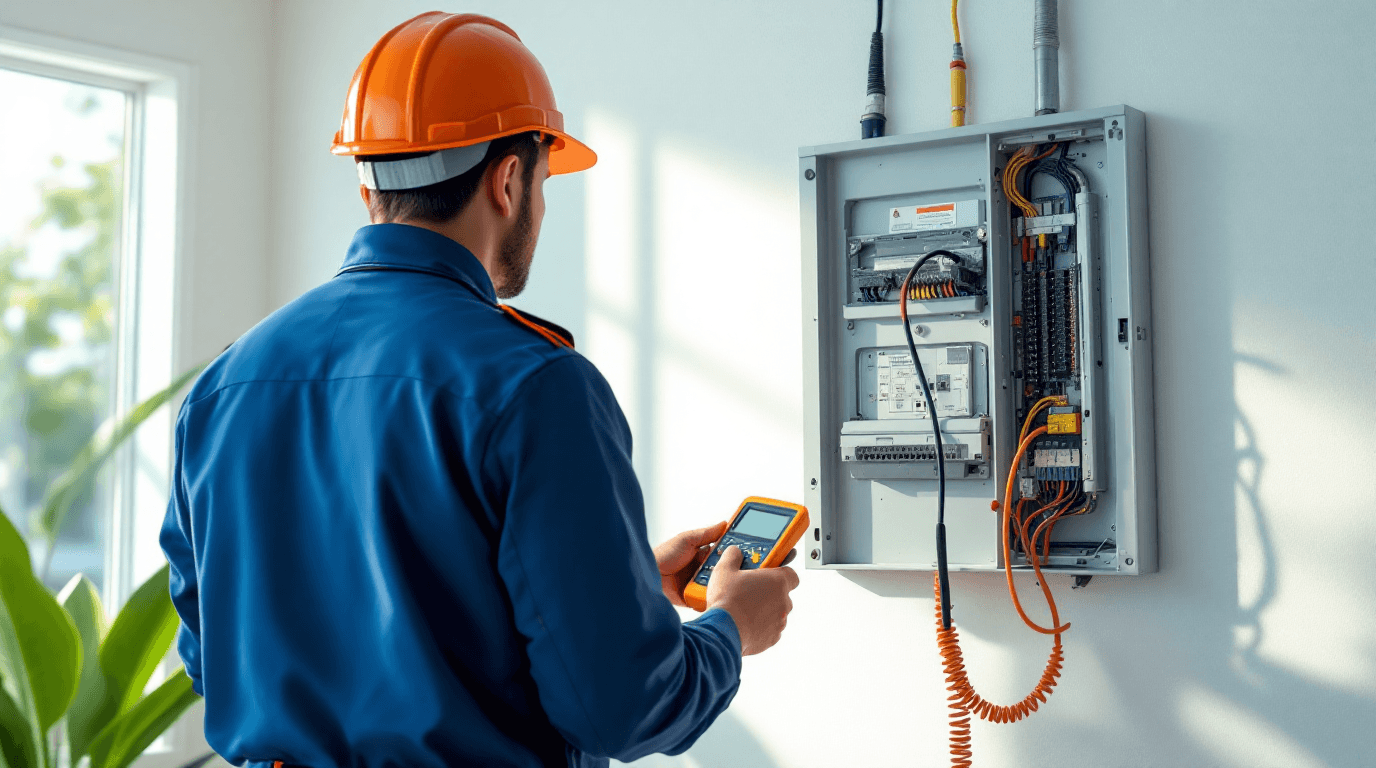
Electrical Panel Upgrade in Florida: Timeline & When You Actually Need One
An electrical panel upgrade is an important and often misunderstood home upgrade in Florida. Sometimes you need one and don't know it, and sometimes a smaller change, such as one added circuit, is enough. Here's a plain breakdown.
What an Electrical Panel Does (And Why It Matters)
Your electrical panel is the central distribution point for all power in your home. It contains circuit breakers that protect wiring from overload. When demand exceeds capacity, breakers trip (a safety feature). If your panel is undersized for your home's actual load, breakers trip constantly, or you can't power new equipment (like an EV charger, hot tub, or heat pump).
Homes have panels of different sizes, such as 100-amp or 200-amp. With air conditioning, electric water heaters, pool pumps, and potential EV charging, a smaller panel can be tight. Ask an electrician what size fits your home's load.
Warning Signs You Need an Upgrade
These are real warning signs:
- Breakers trip under normal use. You're running AC, dishwasher, and laundry simultaneously, and the AC breaker trips. That's demand exceeding capacity.
- Visible damage to the panel. Burn marks, corrosion (Florida humidity accelerates this), or a burning smell = immediate safety hazard. Get an electrician same day.
- Federal Pacific or Zinsco breakers (found in some homes built 1960s-1980s). These brands are known for breakers that may fail to trip during overload, creating fire risk. If you have one, have an electrician evaluate it. Check with your insurer about how your policy treats these panels.
- You want to add significant load. Planning a Level 2 EV charger, a heat pump water heater, or a pool pump upgrade? You might need to upgrade the panel or at least add a sub-panel.
- You can't flip a breaker back on. If breakers won't reset, the panel itself might be damaged internally.
- The main breaker is small and your home has electric heating/cooling. This can be tight, and you may be capacity-constrained.
What Affects the Cost of an Upgrade
Your electrician's written estimate should itemize the work. Items that can affect the estimate include:
- The panel and breakers
- Licensed electrician labor
- Permit and inspection
- Disconnect/reconnect with the utility
- Meter replacement, if required
- Bonding and grounding corrections
- Rerouting conduit
- A sub-panel instead of a main panel replacement, if you only need capacity for a few new circuits
Ask your electrician which of these apply to your home.
Timeline
The timeline depends on permitting in your county, electrician availability, installation, and inspection. Ask your electrician and your local building department what to expect.
If you're planning to sell and suspect a panel issue, start the process well before listing.
The Federal Pacific and Zinsco Situation in Florida
Federal Pacific Electric (FPE) panels were installed in some Florida homes built 1960s-1980s. Zinsco panels were common in the 1970s and early 1980s. Both are known for problems:
- Breakers may not trip reliably, creating fire risk
- Breakers can corrode internally (especially in Florida's humidity/salt air)
- Insurers may treat homes with these panels differently
If you have FPE or Zinsco: Have a licensed electrician evaluate the panel and advise on replacement. Make it a priority before you add any load to the home.
Insurance impact: Policies differ in how they treat these panels. Ask your insurer before you have a claim.
EV Charging and Panel Upgrades
Planning to install a Level 2 EV charger? A Level 2 charger needs a dedicated circuit.
If your panel is already maxed out: You may need an upgrade or sub-panel. If your panel has capacity remaining: You may only need to add the circuit.
Most electricians will assess this when they look at the panel. Don't assume you need a full panel replacement for a charger; your home may only need a single circuit and breaker added.
Code Requirements in Florida
Florida's electrical code (adopted from the National Electrical Code with FL amendments) requires:
- Main bonding jumper on water lines (protects you from electrocution if power lines drop on the water line)
- Proper grounding (tested at installation)
- GFCI protection on all kitchen, bathroom, and garage outlets
- AFCI breakers on all bedroom circuits (fire protection)
A proper electrician will code-update your panel during upgrade (adding AFCI breakers, grounding improvements, etc.), which can add to the cost but is part of bringing the panel up to current requirements.
Sub-Panel vs. Full Replacement
If you only need capacity for EV charging or a heat pump water heater, sometimes a sub-panel makes more sense:
Sub-panel
- Smaller panel installed elsewhere (garage, laundry room)
- Dedicated circuits run to it from the main panel
- Good if main panel is fine but you need isolated capacity
Full replacement
- Replaces the main panel entirely
- Updates the whole system to current code
- Necessary if main panel is damaged, undersized, or contains FPE/Zinsco breakers
An electrician's estimate will clarify which makes sense for your situation.
DIY Myths (Don't Do These)
- You cannot DIY a panel upgrade. Panels carry lethal voltage (240V main). Hire a licensed electrician.
- You cannot skip permits. Unpermitted electrical work voids insurance, fails home inspections, and creates liability.
- You cannot just add more breakers. If the panel is maxed out, adding breakers means overloading the main service line, which causes fires.
Action Steps
- Schedule an inspection from a licensed electrician.
- Know your panel type (look at the label-if it says Federal Pacific or Zinsco, make it a priority).
- Get multiple estimates from credential-reviewed electricians.
- Check with your utility about disconnect/reconnect fees.
- Ask about the permit timeline with your electrician and local building department.
An upgrade isn't glamorous, but it's foundational. A safe, properly-sized panel unlocks the ability to modernize your home with EVs, heat pumps, and other efficient equipment.
HALOFIX connects you with credential-reviewed electricians in Florida. Before you approve a full replacement, ask your electrician whether a single added circuit or a sub-panel would meet your need.